

Gigantopithecus Extinction: How Gigantic Size Met Rapid Climate Change
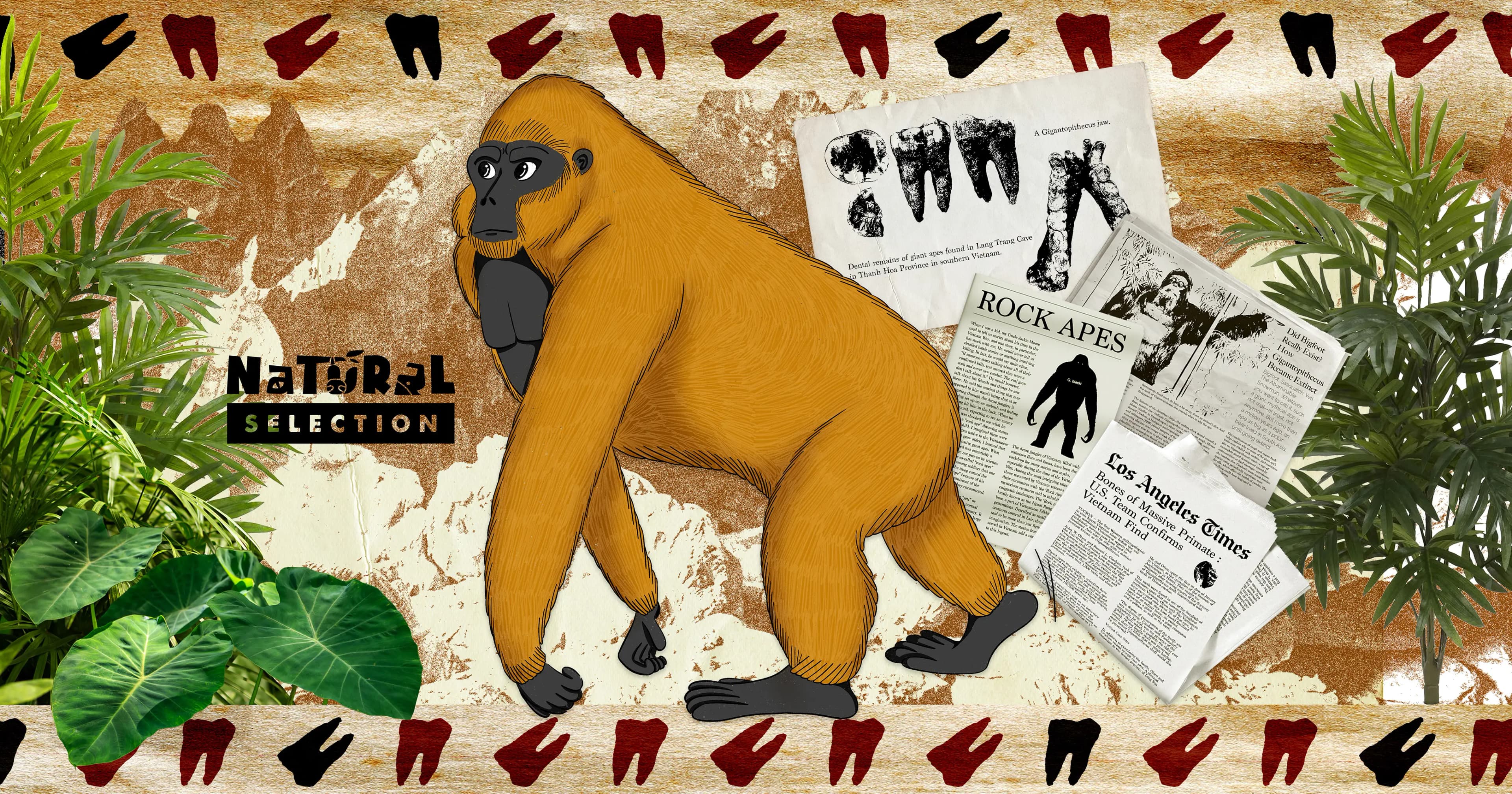
Fossilised molars and mandibles reveal a diet of tough, fibrous vegetation, supplemented by fruits, fig seeds and, possibly, bamboo. The thick enamel and wear patterns on the teeth indicate the animal chewed heavily lignified plant material.
Around 300 000 years ago, palaeoclimatic data show that the region’s rainforest gave way to patchier, more open grasslands. A recent academic paper explained that “Just before and during the extinction window between 295,000 and 215,000 years ago there was enhanced environmental variability from increased seasonality, which caused changes in plant communities and an increase in open forest environments.”
The ape’s colossal size imposed high basal metabolic demands while its reproductive output remained low, a combination that rendered it especially vulnerable to any reduction in preferred food sources. As the forest thinned, the supply of fibrous understory plants dwindled, forcing individuals to subsist on poorer bark and reed material that could not sustain their energy needs.
Gigantopithecus’s fate illustrates a broader principle: megafaunal species with specialized diets and limited reproductive rates are disproportionately at risk when rapid environmental shifts curtail their food base. The extinction was a gradual collapse, not a sudden catastrophe, and the exact moment of the last individual’s death remains unknown.