

How French Music Became a Vietnamese Family Tradition
The colonial administration responded by opening the Institut Musical de Hanoi in 1913 and, in 1927, the Conservatory of the Far East, explicitly to “alter the sensibilities and tastes of the Vietnamese.”
Officials framed this effort as part of the “mission civilisatrice,” hoping to create a class of “Francais de couleur” – Vietnamese who would adopt French habits, including musical ones.
By 1930 Vietnamese pupils outnumbered French ones at the conservatory, turning Western music into a fashionable badge of elite status.
The author’s great‑grandparents, who worked for the French administration, were regularly exposed to French classical pieces and passed a love of those songs down through four generations.
After the 1954 division, the North censored French popular music; only classical repertoire survived through conservatory training, while the South, especially Saigon, kept French pop alive in cafés and radio.
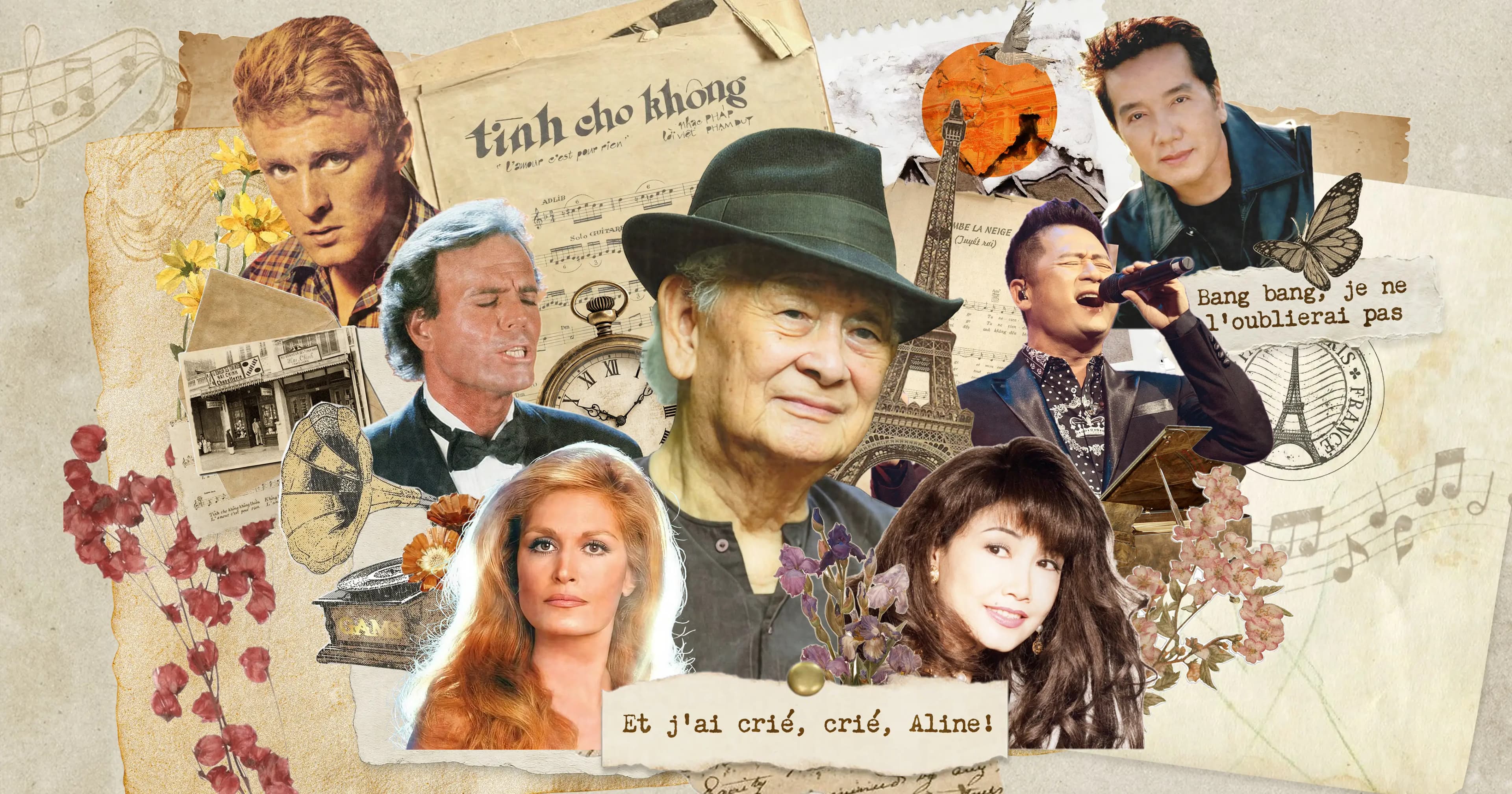
Vietnamese composers such as Phạm Duy transformed French hits into tân nhạc classics – for example, ‘Tombe la neige’ became ‘Tuyết rơi’ and ‘Aline’ turned into ‘Gọi Tên Người Yêu.’
These adaptations show how a colonial policy turned foreign music into a marker of prestige, which families preserved and reshaped, allowing French melodies to become a lasting part of Vietnamese cultural life.