

From Hydropower Hub to Renewable Battleground: Why Laos Became Southeast Asia’s Battery and How Emerging Solar‑Wind Competition Is Redefining Its Role
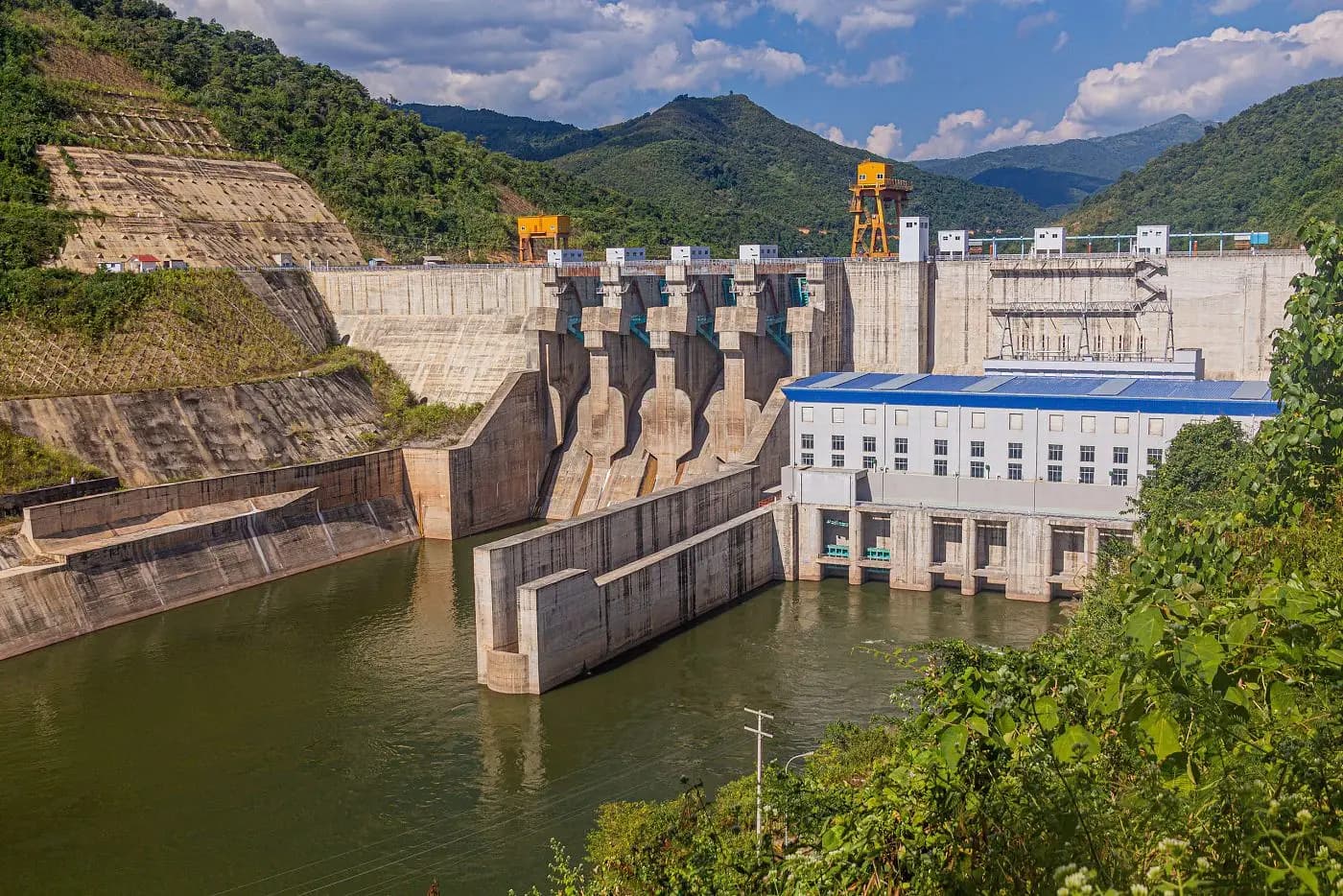
Thailand stands as the principal consumer of Lao electricity; the Xayaburi Dam, with an installed capacity of nearly 1.3 GW, entered service in 2019 and quickly became a flashpoint for controversy over its opaque environmental and social impact assessments.
Vietnam’s burgeoning industrial sector accelerated its reliance on Lao power, importing roughly 1.5 GW in 2025 and outlining an ambitious target of at least 8 GW by 2030—a goal underpinned by new high‑voltage transmission corridors and the 600 MW Monsoon cross‑border wind project that began feeding electricity into the Vietnamese grid in late 2025.
Concurrently, Thailand is pivoting away from imported liquefied natural gas by championing renewable expansion: in September 2026 it announced a sprint to install 5 GW of rooftop solar within twelve months, and its draft Power Development Plan 2026 earmarks nearly 51 GW of new renewable capacity between 2026 and 2037, half of which will be solar.
Regional integration schemes such as the ASEAN Power Grid and the Laos‑Thailand‑Malaysia‑Singapore Power Integration Project have amplified multilateral trade, with Singapore importing 100 MW of Lao‑origin hydropower in 2022 and scaling that figure to 200 MW by 2026.
These developments signal a gradual dilution of Laos’s hydropower dominance; while water‑borne generation will remain a cornerstone of its export portfolio, the ascent of non‑hydro renewables—particularly wind farms like Monsoon and prospective on‑shore projects—introduces competitive pressure that could compel Laos to diversify its energy mix and renegotiate its role within the emerging Southeast Asian super‑grid.
In sum, Laos’s transformation from a singular hydropower exporter to a more nuanced participant in a diversified renewable landscape illustrates how shifting policy priorities and cross‑border investments are reshaping the very notion of a regional “battery.”