

Why Vietnamese Modernist Architecture Is Suddenly Trending: Nostalgia, Urban Flux, and Digital Communities
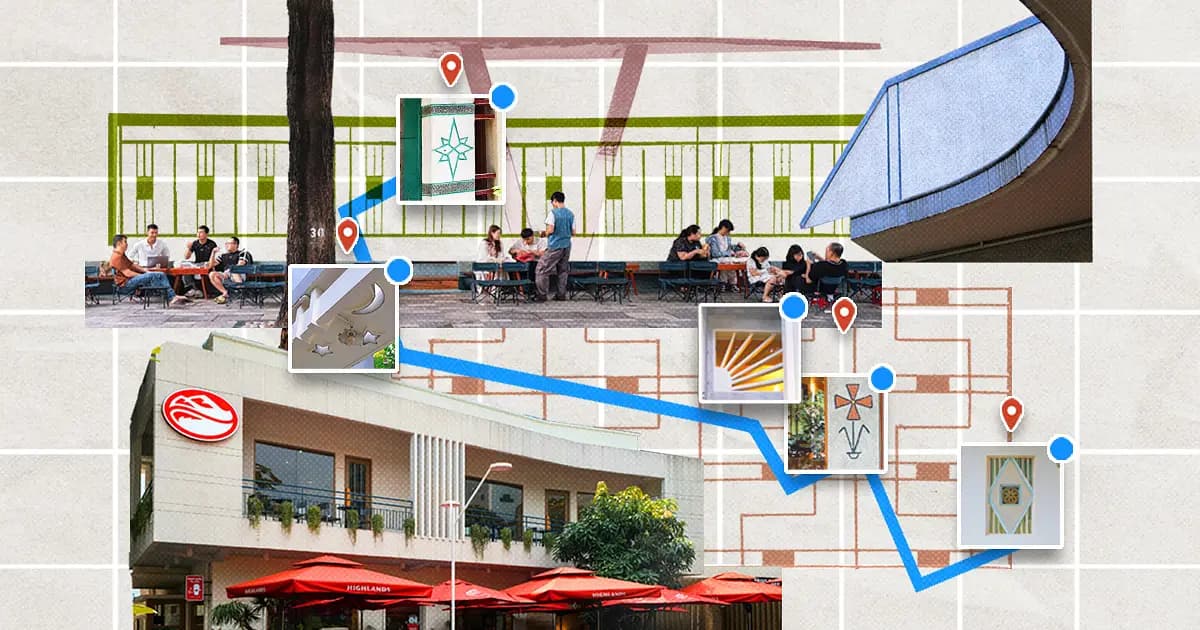
A 2024 study based on Ministry of Construction data reveals that pre‑1975 modernist buildings now constitute only 15% of Vietnam’s built environment, underscoring how the style has become a scarce relic amid relentless urban redevelopment.
The group was founded in 2015 by Mel Schenck, Tom Hricko, Tim Doling and Hoanh Tran, with Saigoneer acting as an early sponsor; for a decade it served a niche of archivists documenting houses before they vanished.
The revival is rooted in a particular kind of urban nostalgia: as Vietnamese cities are continuously rebuilt, the plain grey shophouses and concrete villas of the post‑independence era evoke a collective memory of optimism that many now cherish as a disappearing heritage.
Commercial actors have begun to translate that sentiment into profit. In 2024 Cà Phê Linh opened a café in Xuân Hòa that was constructed from scratch in a faithful mid‑century modernist idiom, and a second outlet followed in Saigon in late 2025, both drawing crowds eager for the nostalgic ambience.
The most identifiable trigger, though, might have been a single announcement on May 19 that the historic modernist leprosy village Quy Hòa would be relocated for a massive tourist mega‑resort; the news coincided with a noticeable surge of activity in the Facebook group, though causality remains uncertain.
Beyond architecture, a broader retro wave circulates on Instagram and TikTok, where accounts celebrate old art books, vintage music and faded photographs, reinforcing the emotional pull of the era and feeding the group’s expanding membership.
The style’s marketability is now evident in cafés, chain outlets and real‑estate listings that either retrofit authentic modernist houses or reproduce the aesthetic from scratch; even major brands such as Highlands Coffee have converted a modernist villa into a drive‑thru, amplifying the trend.
Taken together, three interlocking layers sustain the revival: scholarly documentation that validates the architecture’s significance, a sociological wave of nostalgia provoked by relentless urban change, and a commercial engine that packages the look for mass consumption.