

How Del Elson Turns Global Models and Local Data into Saigon’s Precise Rain Forecasts
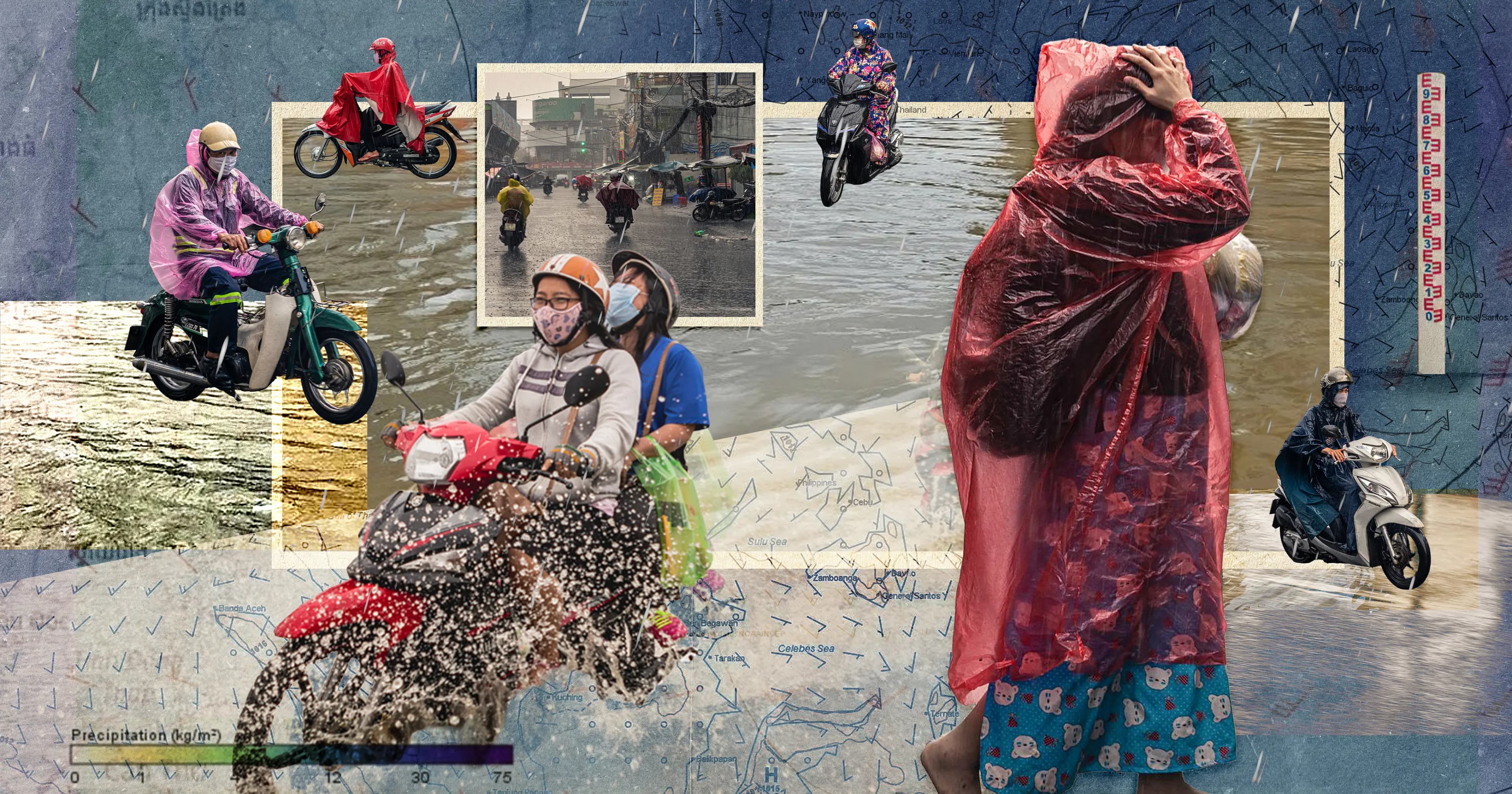
Standard phone apps often miss the mark in tropical climates, leaving many people without reliable information about when storms will begin or end. Del saw this gap and decided to create his own forecasts, focusing on the city’s unique weather patterns.
To build his predictions, Del pulls data from global weather models operated by the United States, Canada and Europe. He then supplements those outputs with information supplied by weather scientists in Brunei, Singapore, Fiji and Hong Kong, creating a richer picture of the region’s atmosphere.
He also checks local tide charts and adds his own analysis of Saigon’s three monsoon periods – the southwest, the northeast and an occasional southeast monsoon. Del explains that typhoons cannot hit the city because tropical cyclones cannot cross the equator.
Because the big models were originally designed for temperate zones, Del often has to piece together selected data sets. He plans to buy high‑powered computing hardware so he can run the full models himself, a step that will improve accuracy even further.
With this combined approach, Del posts daily reports that show where rain is likely, how much will fall, and which neighborhoods might flood. Local groups, such as an astronomy club and several cricket teams, already rely on his forecasts to plan their activities.
Accurate, localized weather information matters in Saigon’s rainy season, when heavy winds can quickly turn streets into rivers. By turning complex climate data into simple, reliable predictions, Del helps residents stay dry and stay safe.