

Meningococcal Rise in Southern Vietnam: What You Need to Know and Do
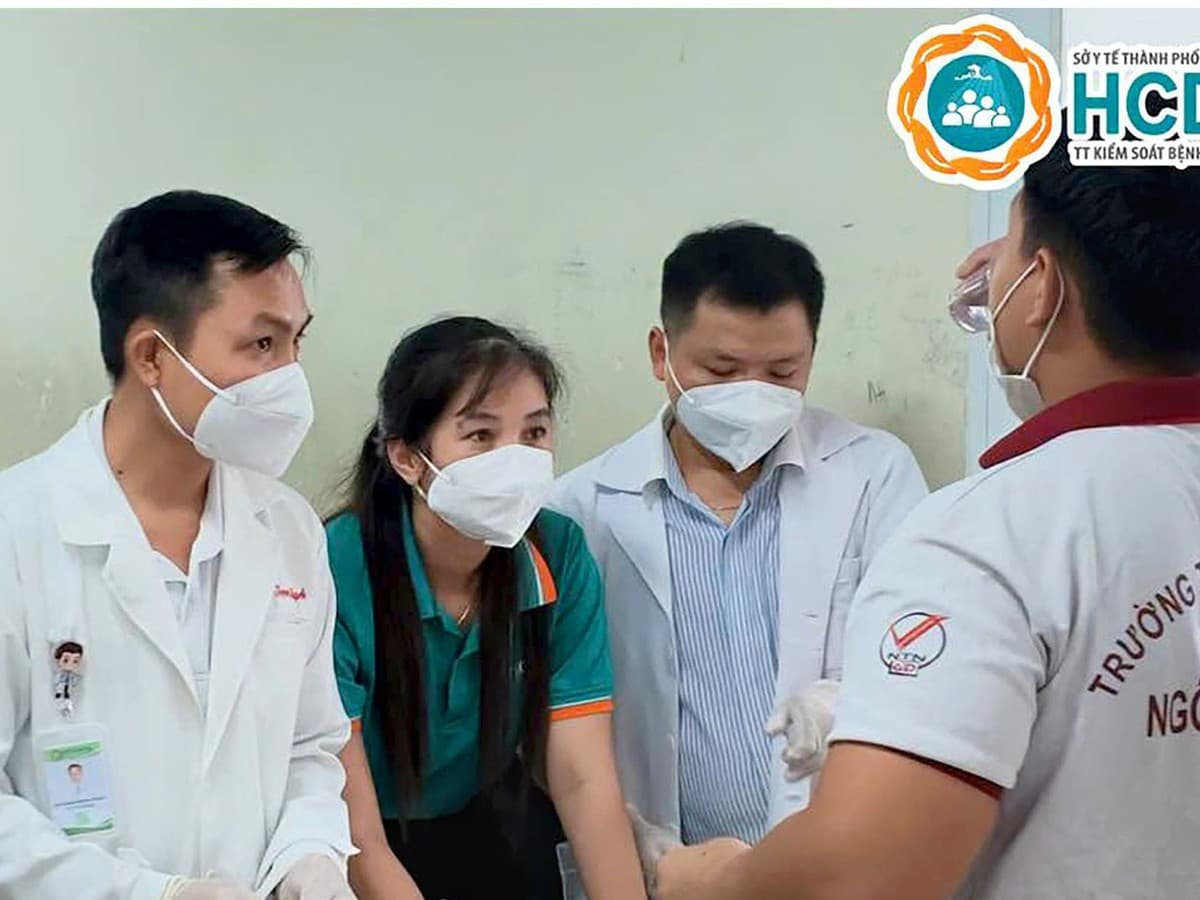
The Ho Chi Minh City Center for Disease Control (HCDC) confirmed that a 12‑year‑old boy from Thuong Tan Commune was diagnosed with meningococcal serogroup B infection after a PCR test on 20 October. He had previously received one dose of a vaccine covering serogroups A, C, Y, W but not serogroup B.
Health authorities identified 99 close contacts at the boy’s home and school. They were given the antibiotic azithromycin and will be observed for 10 days after their last exposure.
According to the Pasteur Institute, about 94 percent of invasive meningococcal infections in southern Vietnam are caused by serogroup B, and children aged 11‑15 account for 28.6 percent of reported cases. These figures show why the disease is especially relevant to teenagers and young adults.
People who develop fever together with severe headache, vomiting, neck stiffness, lethargy, or a hemorrhagic rash should seek immediate medical attention, because early diagnosis and treatment can prevent severe complications, long‑term disabilities, and death. The institute also advises that even vaccinated close contacts must receive antibiotic prophylaxis and continue health monitoring for ten days. Self‑medication with antibiotics is discouraged, and vaccination choices should be discussed with a healthcare professional.
The key message is clear: watch for the warning symptoms, get prompt medical care, and follow any antibiotic or monitoring instructions if you have been in close contact with a confirmed case. Doing so protects you and helps stop the spread of meningococcal disease.