

Why Transit‑Oriented Development Shapes Ho Chi Minh City’s Future Growth
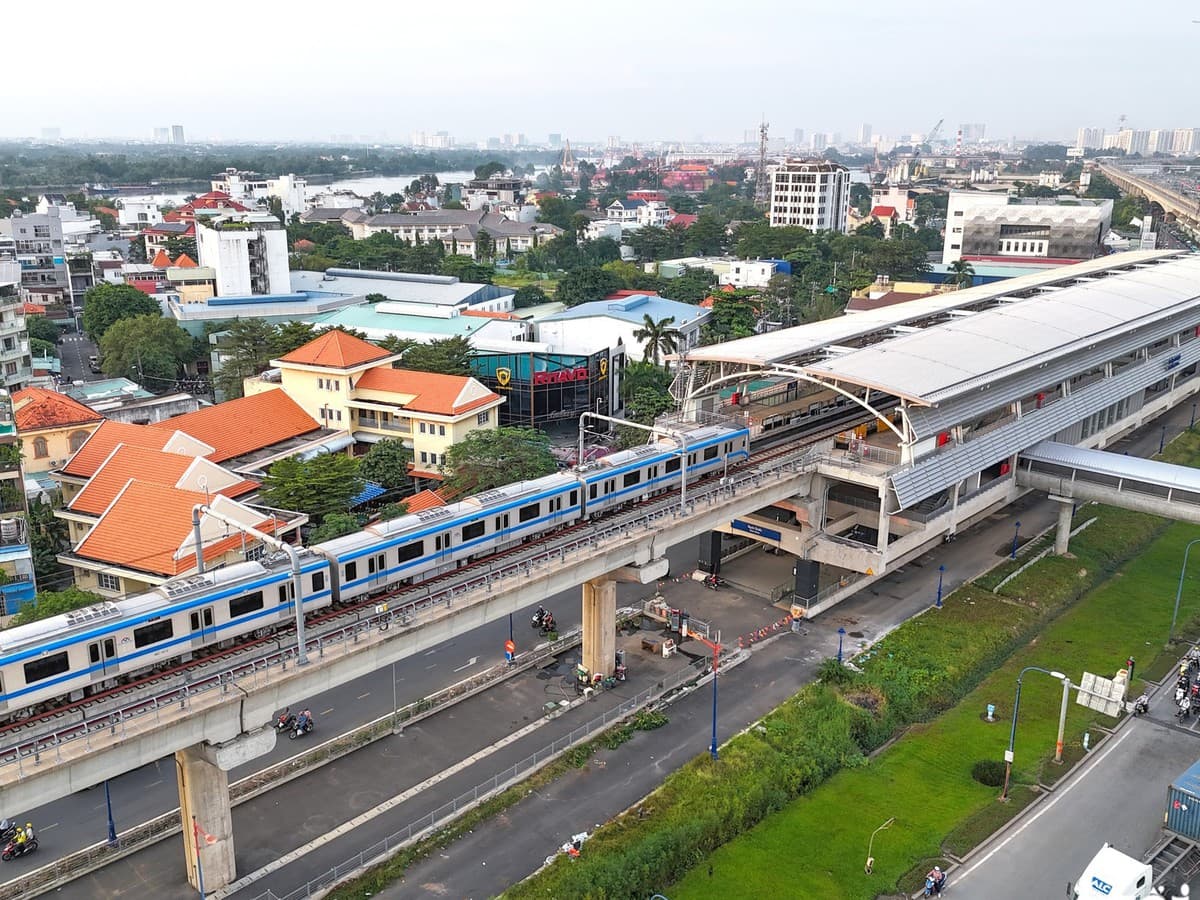
Cushman & Wakefield reports that Metro Line 1 has lifted shopping‑mall occupancy, increased property liquidity and pushed up housing prices along its corridor. These changes show how transit can directly affect the real‑estate market.
Experts argue that TOD’s true value lies in creating new economic hubs, boosting urban productivity and reshaping the city’s development pattern, rather than simply raising land prices. By focusing on where people can live, work and travel efficiently, TOD can spread growth beyond the historic centre.
A successful TOD project must combine mixed land uses, walkable streets, suitable density, solid infrastructure and clear economic functions, not just proximity to a station. Le Hoang Lan Nhu Ngoc, senior director and head of strategic consulting at Cushman & Wakefield Vietnam, says residential and employment density is the single most important indicator of TOD performance after ten years of operation.
Areas such as Thao Dien, An Phu, Saigon Hi‑Tech Park and Vietnam National University‑Ho Chi Minh City are identified as having strong potential to become new employment and commercial hubs. Cities like Tokyo, Hong Kong, Singapore and Seoul have already shown that extensive metro networks can support polycentric urban development, easing pressure on traditional city centres.
In Ho Chi Minh City, TOD is intended to build productive, accessible neighbourhoods rather than merely inflate property values. Its success will depend on integrating mixed uses, walkability and high residential‑and‑employment density to create genuine economic centres.