

New Mercury Shrinkage Estimate Challenges Planet Formation Theories
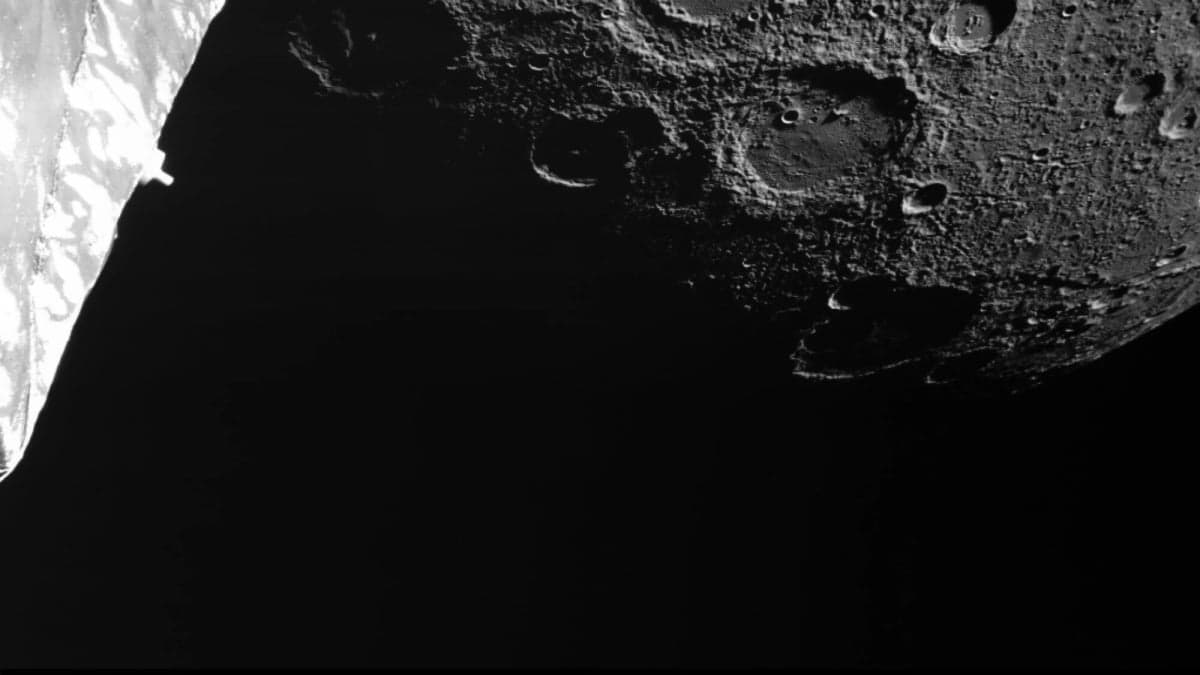
The research was led by Gaku Nishiyama, a planetary scientist at the German Aerospace Center, and the results were published in Geophysical Research Letters.
Mercury’s iron‑rich core has been cooling for billions of years. As the core loses heat, the whole planet contracts, causing the crust to buckle and form cliffs and ridges that appear as surface wrinkles on a planetary scale.
If Mercury’s shrinkage is indeed larger, the planet could have a bigger iron core that contains fewer light elements such as silicon. This may point to a massive collision early in its history that stripped away much of the original crust, and it might also help explain how the tiny world still generates a global magnetic field.
The upcoming BepiColombo mission, a joint effort by ESA and JAXA, will soon enter Mercury’s orbit. Its laser altimeter will map the surface in high resolution, allowing scientists to check whether the hidden wrinkles and the new contraction estimate are correct.
Understanding how Mercury contracted gives researchers a rare glimpse into the interior makeup of a planet, the events that shaped it, and the processes that may be common to other rocky worlds, including Earth’s Moon.