

Rising Prices Are Changing Japanese Shopping Habits
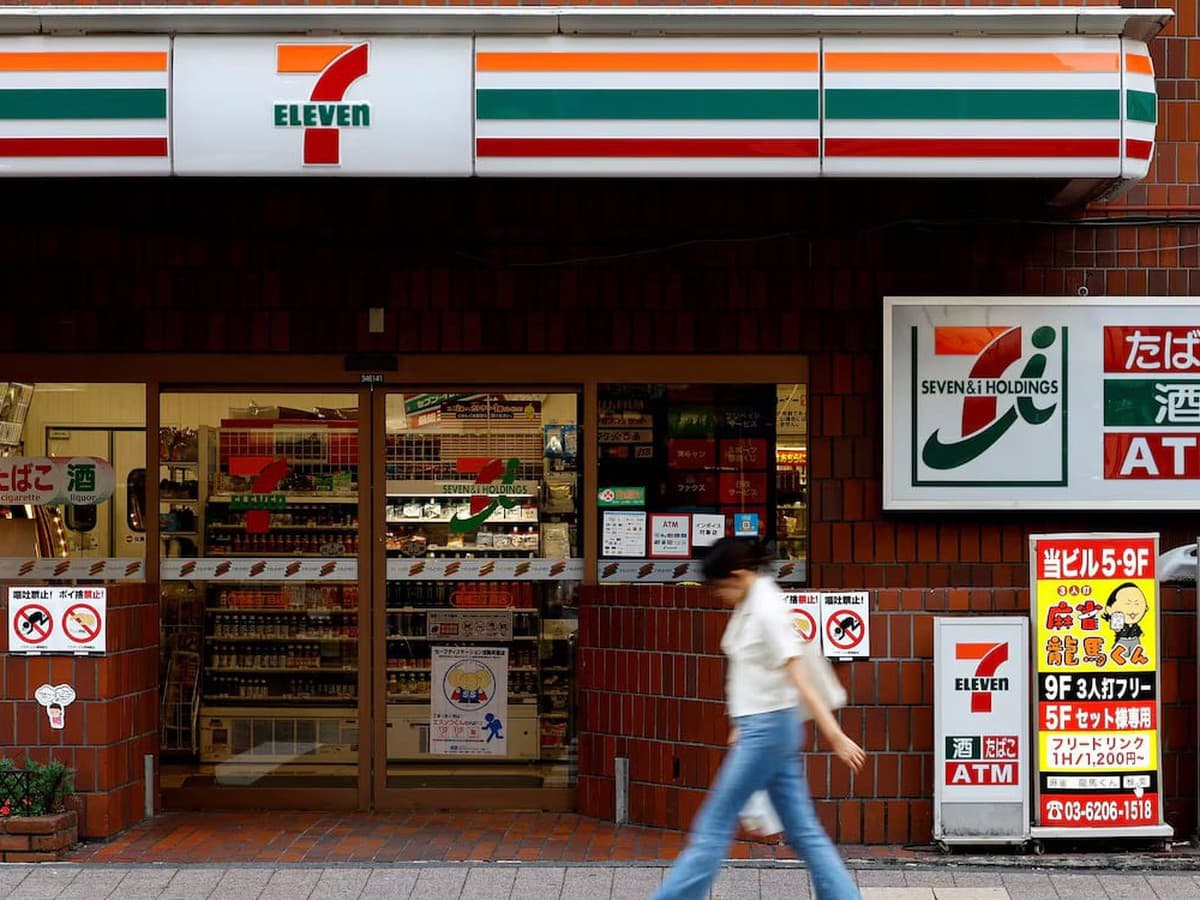
Kana Sekiya, 43, says she has totally stopped going to convenience stores because of the rising cost of living. Instead, she drives more than 30 minutes on weekends to discount supermarkets such as Lopia and OK to buy groceries in bulk.
Customer numbers at convenience stores have fallen for 15 consecutive months, according to the Japan Franchise Association. In September, footfall dropped 3.8% year‑on‑year, the steepest decline since September 2021.
Private consumption makes up about half of Japan’s GDP, so the growing belt‑tightening could weigh on the broader economy, said Ryohei Ikeda of Mizuho Research Institute. Underlying inflation rose in September at the fastest annual pace in three years, exceeding the Bank of Japan’s 2% target and prompting expectations of a rate hike.
Seven & i is launching a lower‑priced own‑brand range called “Seven The Price” to keep shoppers. FamilyMart announced morning discounts on items like bread or rice balls when bought with drinks, and both FamilyMart and Lawson are installing crane‑game and capsule‑toy machines in thousands of stores to attract customers.
These changes show how inflation is reshaping everyday buying decisions in Japan. Retailers are adapting quickly, but the shift away from convenience stores could also affect the wider economy you rely on.