

What the NYT Backlash Teaches About Media Framing of Victims
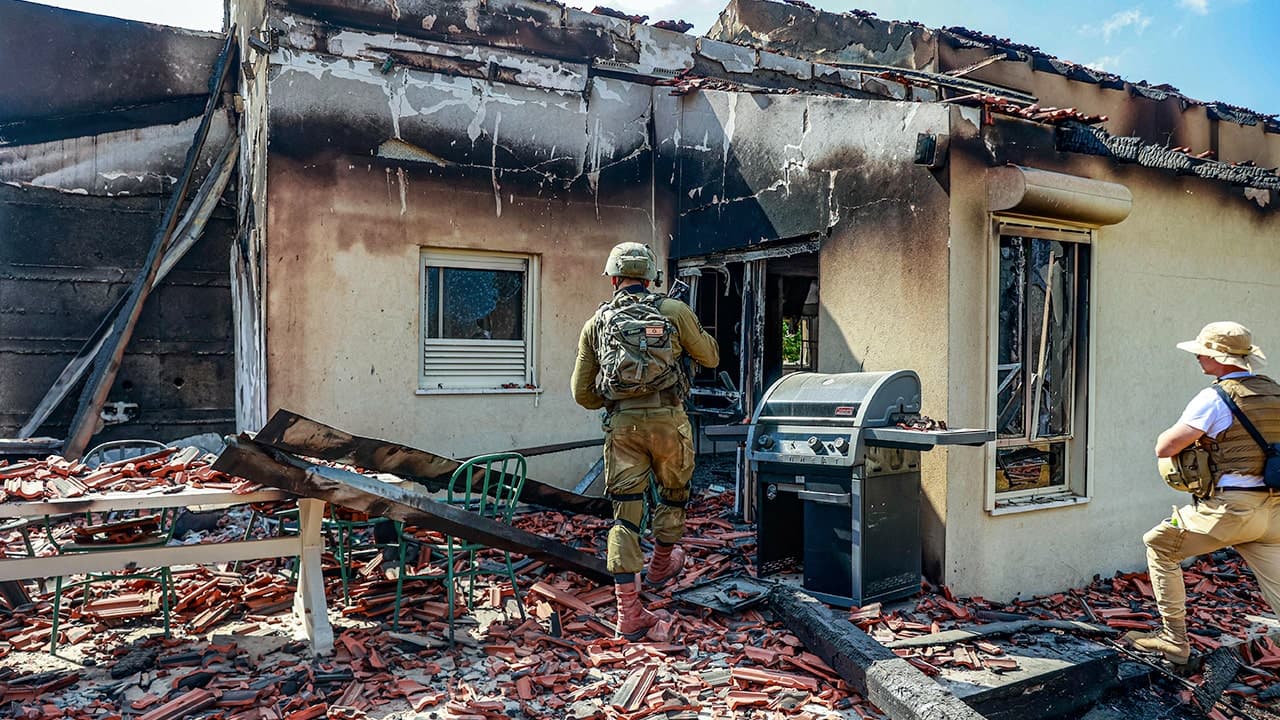
The Oct. 7 Hamas attack on Israel killed about 1,200 people and left 254 hostages, making it the deadliest assault on Jews since the Holocaust.
Journalist Eitan Fischberger, a former Israel Defense Forces member, described the line as “grotesque” and said it turned an objective fact into a “victimhood mentality.” He compared it to imagining a Times headline that said Americans still view themselves as victims of 9/11 or Pearl Harbor. Earlier this month, Edieal Pinker of the Yale School of Management released a review that identified a clear bias against Israel in the Times’ early coverage of the Israel‑Gaza war.
The New York Times responded by defending its reporting. The paper called the criticism a “disingenuous attempt to seek attention and stoke outrage,” insisting the article was standard news coverage.
The episode illustrates how a single phrase can influence public perception of who is a victim in a conflict. It reminds journalists that precise wording matters, especially when reporting on highly charged events, because framing can shape narratives far beyond the newsroom.