


Why Hanoi and Ho Chi Minh City May Lose Their Winters by 2100
Việt Nam có thể mất mùa đông vào giữa thế kỷ này
Source: Vnexpress
The 2025 national climate change scenario, released by the Ministry of Agriculture and Environment, projects that both cities will continue to warm throughout the 21st century, and that their urban cores will heat up more quickly than the citywide average.
Under the high‑emissions pathway, average annual temperatures could rise 1.7‑2 °C by mid‑century and 3‑3.4 °C by the end of the century in Hanoi, with similar increases expected in Ho Chi Minh City, according to Nguyen Huu Quyen of the Institute of Meteorology, Hydrology, Environment and Marine Sciences.
In inner Hanoi, days with maximum temperatures above 35 °C may increase by 30‑70 by mid‑century and by 50‑90 by 2100. In inner Ho Chi Minh City, the same metric could rise by 35‑70 by mid‑century and by 90‑100 by the end of the century, Quyen said.
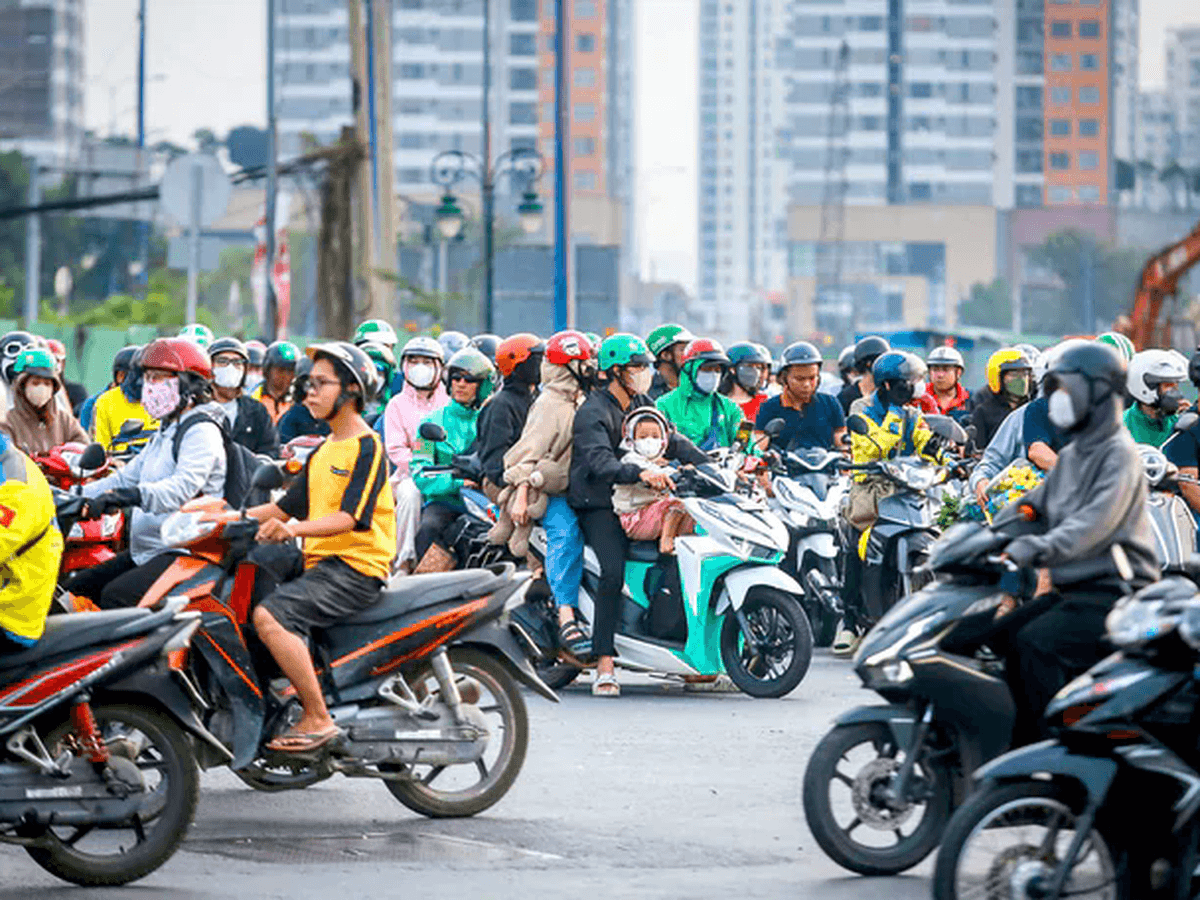
The faster warming of city centres is linked to the urban heat‑island effect. Dense concrete, asphalt and scarce green space absorb and store heat, making downtown areas hotter than surrounding suburbs.
Deputy director Truong Ba Kien, of the institute’s meteorological research centre, warned that Vietnam would no longer have a winter from around the middle to the end of this century.
You finished this article
Words from this article
10 recommended words · 0 looked up
Recommended
You looked up
You haven't looked up any word in this article yet.
Practice this article
PracticeRead next
 Latest NewsEnvironment · B1 · 1 min read
How Ho Chi Minh City’s EV Subsidies Could Lower Costs for Low‑Income Workers and Riders
Hỗ trợ xe điện tại TP.HCM: Giảm chi phí cho công nhân và tài xế thu nhập thấp
 Latest NewsEnvironment · A2 · 1 min read
Lucky the Monkey: A Ranger’s Careful Rescue
Chú khỉ Lucky: Cuộc giải cứu đầy nhân văn của kiểm lâm
 Latest NewsTravel · A2 · 1 min read
Foreign Tourists Visit Da Nang Beaches in Heavy Rain
Khách nước ngoài đổ về biển Đà Nẵng giữa mưa lớn