

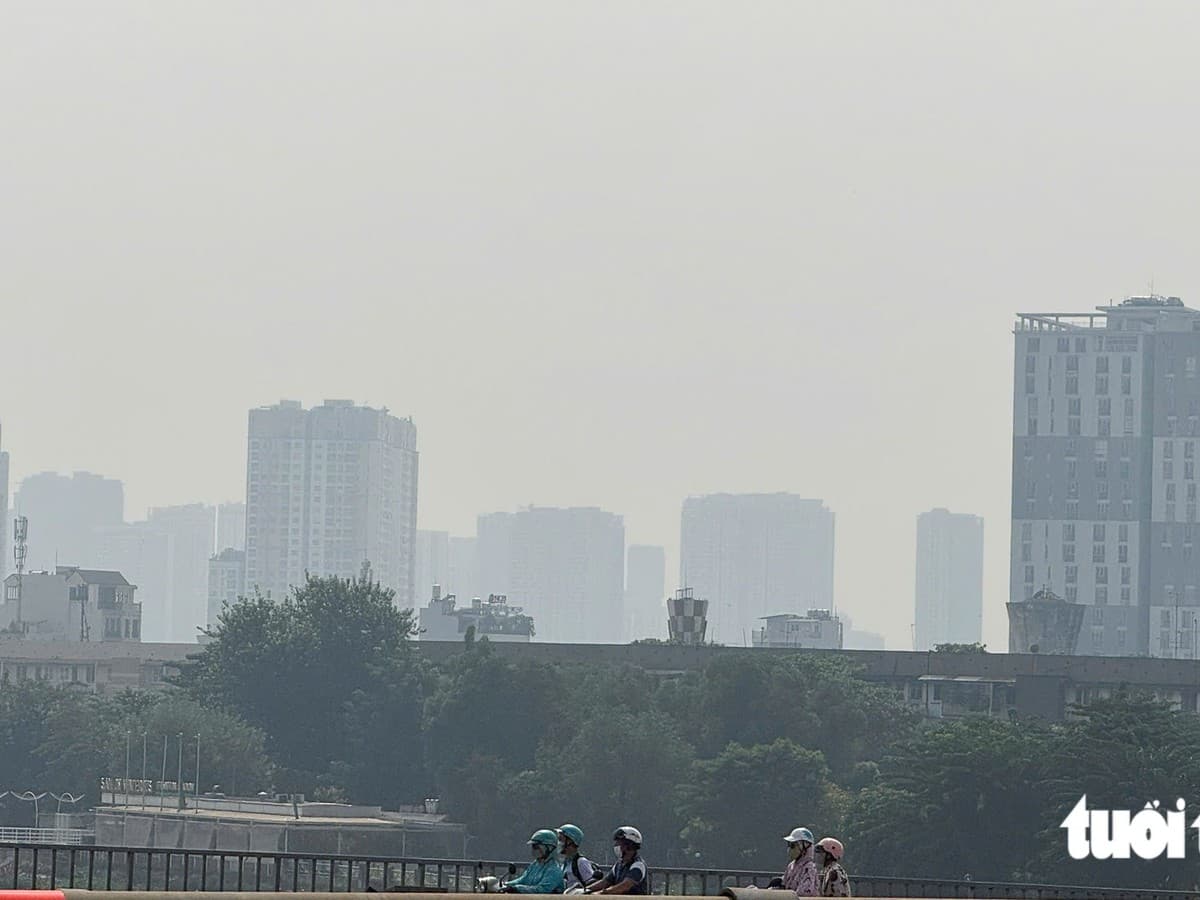
Why Ho Chi Minh City’s Haze Sticks Around: Weather, Buildings and Possible Smoke from Indonesia
Vì sao sương mù ở TP.HCM dai dẳng: Thời tiết, công trình và khói từ Indonesia
Source: Tuoitre
The city experienced an unusual blanket of haze on Thursday, and understanding the factors behind it helps us see how everyday weather and regional events can affect the air we breathe. Meteorologist Le Thi Xuan Lan explained that the haze was a mix of dry haze and fog, partly caused by weak southeasterly winds that let dust and pollutants stay close to the ground.
Le Dinh Quyet said early‑morning humidity was between 91 % and 96 %, low clouds covered 60‑80 % of the sky, and weak winds after rain kept moisture near the surface. These conditions prevented the haze from dispersing quickly.
He also noted that high‑rise buildings in the densely built‑up city restrict air circulation, which traps mist and reduces visibility. In addition, a weak low‑pressure trough, a retreating subtropical high‑pressure system and lingering easterly wind disturbances added to the stagnant air, making the haze persist longer.
Le Thi Xuan Lan added that transboundary haze from Indonesia’s forest fires has previously reached southern Vietnam and could also affect Ho Chi Minh City. She reminded that whether smoke from Indonesia contributed to Thursday’s haze still requires measurements. Without those data, scientists cannot confirm the exact role of the distant fires.
In short, the haze results from a combination of high humidity, weak winds, low clouds, urban building effects and the possible arrival of smoke from Indonesian fires. Further measurements are needed to determine how much the foreign smoke added to the local conditions.
You finished this article
Words from this article
10 recommended words · 0 looked up
Recommended
You looked up
You haven't looked up any word in this article yet.
Practice this article
PracticeRead next
 Latest NewsSociety · A2 · 1 min read
Why Thuan An Ward Stops New Tombs
Vì sao phường Thuận An cấm xây mộ mới
 Latest NewsEnvironment · B1 · 2 min read
Bamboo and Oyster‑Shell Barriers: How a Simple Nature‑Based System Reduces Flood Waves
Rào chắn tre và vỏ hàu: Hệ thống dựa trên thiên nhiên đơn giản giúp giảm sóng lũ
 Latest NewsBusiness · B1 · 1 min read
New Ho Chi Minh City‑Hyogo Ties May Open Jobs and Study Paths for Vietnamese Youth
Liên kết mới TP.HCM – Hyogo mở đường việc làm, du học cho giới trẻ