

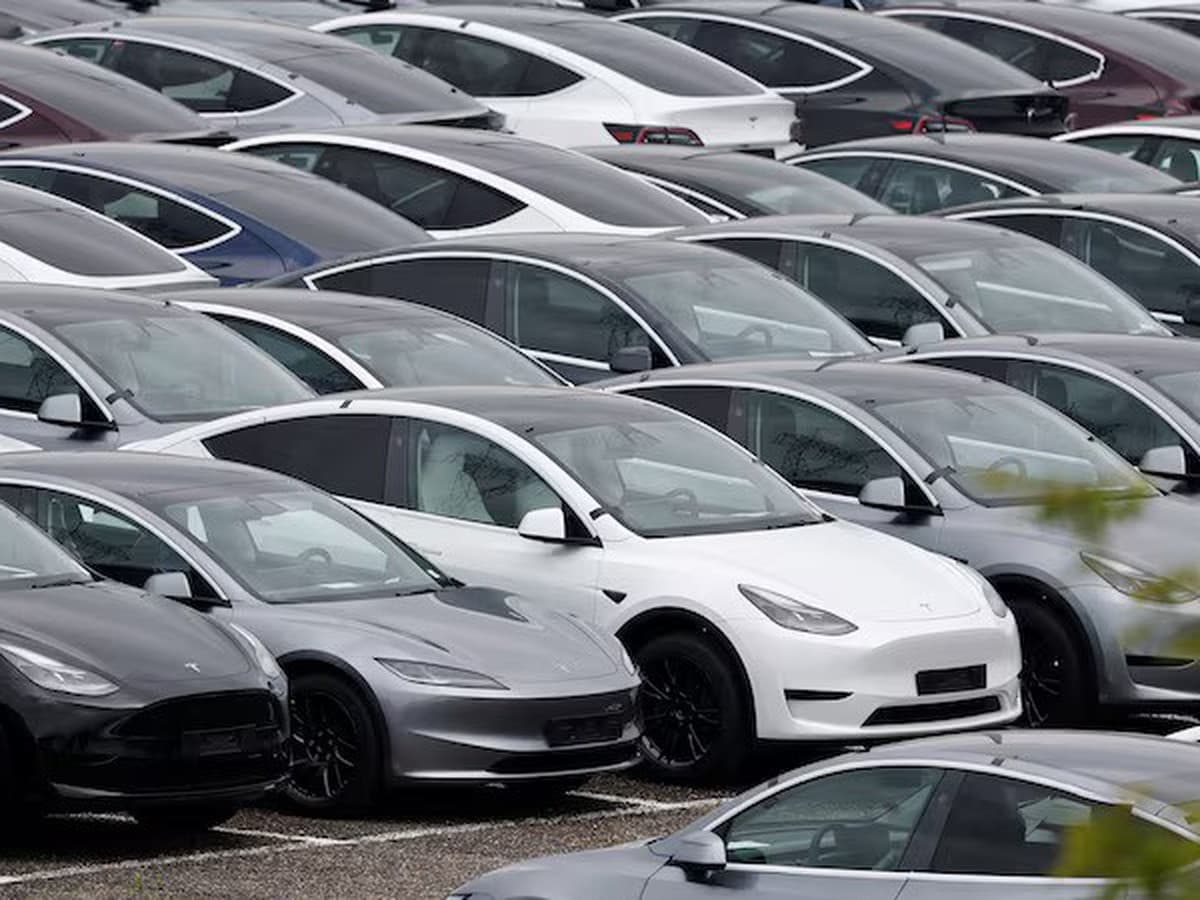
Why Global EV Sales Dropped 2% in September Despite Record European Numbers
Vì sao doanh số xe điện toàn cầu giảm 2% trong tháng 9 dù châu Âu lập kỷ lục
Source: Tuoitre
In September, worldwide demand for electric vehicles slipped by 2%, breaking a six‑month streak of growth. Understanding the reasons behind this reversal helps investors and consumers gauge the market’s stability.
Europe delivered a record month, with almost 600,000 EVs sold in September – a figure 10% higher than the previous peak set in June. Strong consumer interest and supportive policies are driving this surge.
North America experienced the sharpest decline, as sales fell 44% in September. The drop reflects a rush of purchases earlier in the year before U.S. federal EV tax credits expired at the end of September 2025.
In China, EV sales dropped 18% to 1.11 million vehicles during the same period. The weaker domestic market is pushing manufacturers to rely more heavily on exports to sustain output.
Overall, global EV sales reached 2.15 million units in September, while year‑to‑date volumes are up 3% at 15.5 million units. The mixed regional performance highlights the sector’s sensitivity to policy and demand shifts.
The September dip shows how regional policies and market conditions can quickly change global EV trends. Yet the year‑to‑date increase of 3% suggests the sector remains on a modest upward path.
You finished this article
Words from this article
10 recommended words · 0 looked up
Recommended
You looked up
You haven't looked up any word in this article yet.
Practice this article
PracticeRead next
 Latest NewsSociety · A2 · 1 min read
Why Thuan An Ward Stops New Tombs
Vì sao phường Thuận An cấm xây mộ mới
 Latest NewsBusiness · A2 · 1 min read
iPhone Duo shortage pushes prices up and brings fraud risk in Vietnam
iPhone Duo khan hiếm đẩy giá tăng vọt, tiềm ẩn rủi ro lừa đảo tại Việt Nam
 Latest NewsTechnology · B1 · 1 min read
Why Ho Chi Minh City Needs AI and Institutional Reform to Keep Growing
TP.HCM cần AI và cải cách thể chế để duy trì tăng trưởng